Wilderness Survival Guide: The Essentials
1. Stay Calm and Assess
Your brain is your most important survival tool. Panic burns energy and clouds judgment. Stop, breathe, and take stock of your situation — injuries, resources, time of day, and weather.
2. Prioritise with the Rule of Threes
You can survive roughly 3 minutes without air, 3 hours in harsh weather without shelter, 3 days without water, and 3 weeks without food. Use this to rank your immediate actions.
3. Find or Build Shelter
Exposure kills faster than hunger. Look for natural windbreaks — rock faces, dense trees, or a hillside. If building, insulate from the ground first (leaves, bark, branches), as the cold ground drains body heat faster than cold air.
4. Secure Water
Never drink untreated water if you can help it. Collect rainwater, look for running streams over stagnant pools, and boil water for at least one minute if you have the means. In a pinch, morning dew collected on leaves is a clean source.
5. Signal for Rescue
If you’re lost, stay put — searchers look where you were last seen. Use a whistle (three blasts is the universal distress signal), a mirror, bright clothing, or a smoky fire to attract attention. Leave clear markers if you must move.
6. Start Fire Safely
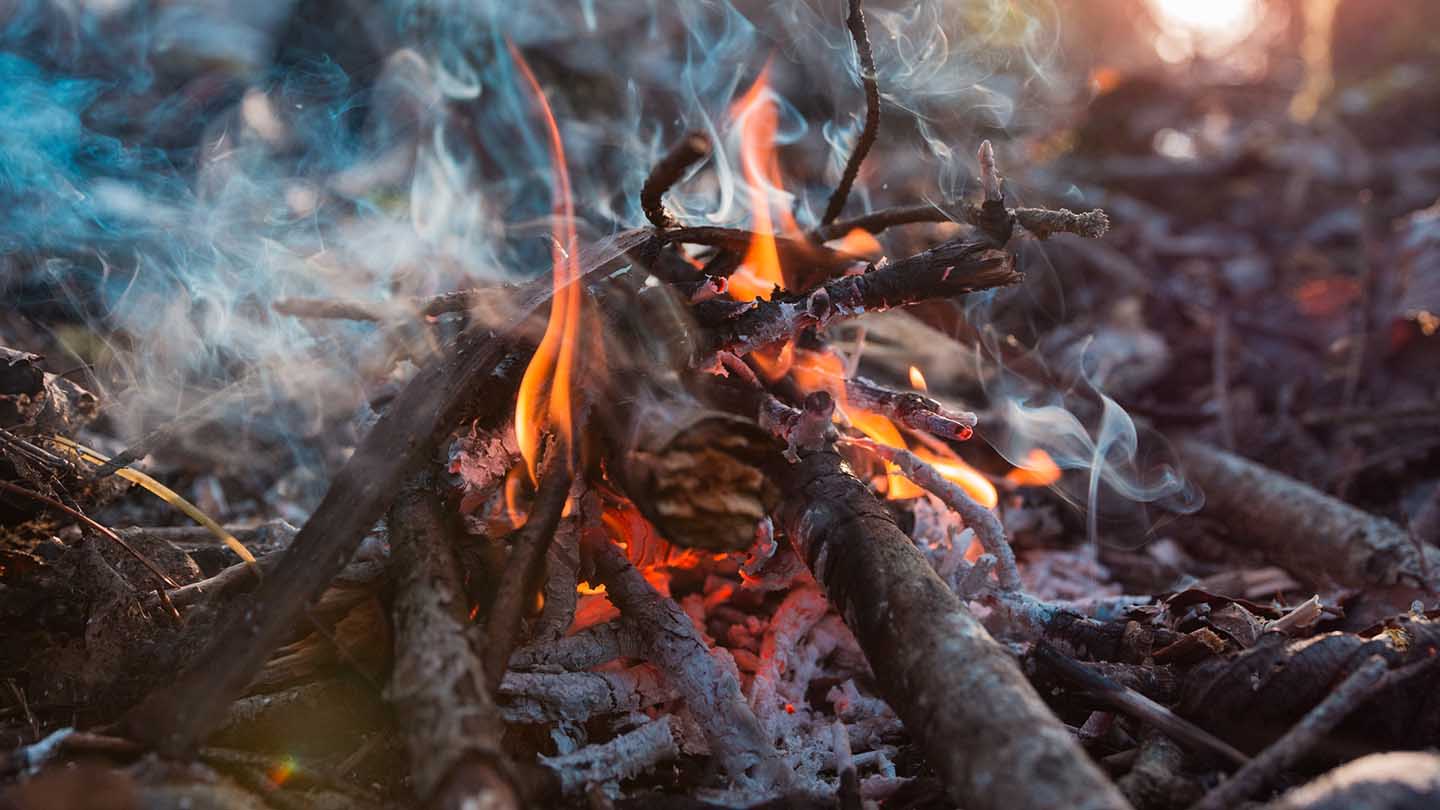
Fire provides warmth, signals rescuers, purifies water, and boosts morale. Always build it on dry ground, away from overhanging branches. Even without a lighter, a ferro rod, reading glasses, or dry friction (bow-drill method) can get a spark going.
7. Don’t Forage Blindly
Unless you can positively identify a plant or mushroom, leave it alone. Many edible plants have toxic lookalikes. Insects — ants, grubs, grasshoppers — are a safer protein source if calories become critical.



Leave a Reply